
When Washington Halts, the Plumbing Creaks: Government Shutdown, Repos, and Liquidity Risk
Authored by Tom Rooney | Market Analyst (2025, November 1) Market Discourses – Tom Rooney – Muscle Trading
As of this writing, the U.S. government has been partially shut down for 35 days — the longest fiscal freeze in decades.
While headlines focus on political drama, the real stress test is happening beneath the surface — rippling through the plumbing of the financial system.
Each day the shutdown continues, billions in government spending and payrolls aren’t being delivered.
That missing cash flow is quietly tightening liquidity across money markets, repo desks, and regional banks.
At Muscle Trading, we track liquidity shifts not because they make headlines, but because they move markets.
Frozen Cash Flows and the Treasury General Account
When the government halts new spending, the Treasury General Account (TGA) — the government’s cash balance at the Fed — becomes a central player.
During a shutdown, Treasury draws down the TGA to meet essential obligations, but with debt issuance frozen, those outflows aren’t replaced.
At first glance, it looks like liquidity entering the system — but the longer it lasts, the more uneven the distribution becomes.
Reserves fluctuate, funding gets unpredictable, and the overnight repo market starts to strain.
Once Congress eventually resolves the impasse, Treasury will have to refill the TGA fast, issuing a surge of short-term bills that drain liquidity out of banks and money markets just as quickly as it arrived.
Government Checks, Missed Deposits, and Local Bank Stress
More than a month of delayed paychecks and benefit payments means billions in deposits never hit the banking system.
Smaller and mid-sized banks are now facing a dangerous squeeze: deposit inflows are shrinking just as loan payments come due at the start of the month.
“Liquidity issues don’t start with insolvency — they start with timing.”
If households can’t meet their payments because their income is frozen, banks get hit on both sides — fewer deposits coming in, slower loan repayments going out.
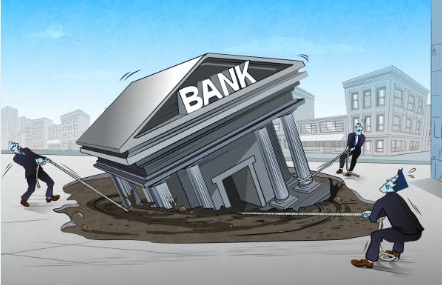
For small lenders with thin reserve buffers, this is a recipe for funding mismatches.
And if confidence wobbles, even rumor alone can accelerate outflows — the seed of a localized bank run.
The Repo Market: The Quiet Alarm Bell
The repo market is the heartbeat of modern liquidity — where institutions borrow and lend cash overnight using Treasuries as collateral.
Over the past few weeks, the Fed has quietly stepped up overnight repo injections to stabilize short-term rates.
As the TGA fluctuates, bank reserves move inversely.
Less reserves means less flexibility — especially for smaller banks without direct access to the Fed’s standing repo facility.
Watch the Secured Overnight Financing Rate (SOFR) closely.
It’s the market’s first real-time stress indicator, and recent upticks suggest the plumbing is already creaking.
Systemic Implications and Market Takeaways
The longer the shutdown drags on, the more fragile the liquidity backdrop becomes.
The Fed’s quantitative tightening (QT) has already removed over a trillion dollars from bank reserves, and the collapse of the ON RRP facility has drained even more.
With those buffers fading, even small fiscal shocks ripple through the system fast.
What traders should watch:
- TGA & bill issuance – Treasury refilling cash post-shutdown = major liquidity drain.
- Repo & SOFR spreads – Early stress warning lights.
- Regional-bank funding trends – Rising wholesale dependence = vulnerability.
- Consumer payment timing – Missed deposits and late payments show up first in small banks.
- Fed operations – Surprise repo activity means they’re already firefighting.
Final Word — The Muscle Trading View
A government shutdown isn’t just a political stalemate — it’s a liquidity event.
When fiscal cash flows freeze, the entire system’s plumbing begins to strain.
For now, the system is holding, but as missed payments ripple through households and small banks, the pressure is building beneath the surface.
At Muscle Trading, we’re watching this not out of fear — but focus.
Liquidity stress breeds volatility. Volatility breeds opportunity.