Japan’s Interest Rate Shift: Global Bond Markets, U.S. Treasuries, and Precious Metals
Understanding how Japan’s historic rate hike is rippling through global markets.
Authored by Tom Rooney | Market Analyst (2025, December 20) Market Discourses – Tom Rooney – Muscle Trading
Introduction: A Turning Point in Japan’s Monetary Policy
Japan has long been known for its ultra-low interest rate environment. For decades, near-zero rates helped support economic growth, stabilize prices, and encourage borrowing. Recently, however, the Bank of Japan (BoJ) made a historic move by raising interest rates — a clear shift away from its long-standing accommodative stance.
This decision signals growing confidence that inflation is becoming more sustainable and that Japan’s economy can begin to normalize. While the rate hike itself may seem modest, its impact reaches far beyond Japan’s borders.
Rising Japanese Bond Yields and Why They Matter
Following the rate increase, Japanese Government Bond (JGB) yields moved sharply higher, particularly on longer-dated maturities. When interest rates rise, existing bonds with lower yields become less attractive, causing bond prices to fall and yields to rise.
Higher yields in Japan are significant because they change global capital flows. For years,
Japanese investors sought better returns overseas due to extremely low domestic yields. That dynamic is now beginning to shift.
Implications for U.S. Treasuries
Japan is one of the largest foreign holders of U.S. Treasury securities. Historically, the wide yield gap between U.S. Treasuries and Japanese bonds made American debt attractive to Japanese institutions.
As Japanese yields rise, that advantage narrows. This could reduce demand for U.S. Treasuries over time, especially if Japanese investors find comparable returns at home with less currency risk. Reduced foreign demand may place upward pressure on U.S. Treasury yields, increasing borrowing costs across the U.S. economy.
The Yen Carry Trade and the Risk of a Liquidity Shock
For decades, the yen carry trade has acted as a major source of global liquidity. Investors borrowed Japanese yen at extremely low interest rates and deployed that capital into higher-yielding assets such as U.S. Treasuries, equities, emerging market debt, and
commodities.
This process effectively created a steady flow of cheap capital into global markets. As long as Japanese rates remained near zero and the yen stayed relatively weak, the trade was profitable
and self-reinforcing.

However, rising interest rates in Japan disrupt this structure. As borrowing costs increase and
the yen strengthens, the carry trade becomes less attractive. Investors are then forced to
unwind positions by selling risk assets and repurchasing yen to repay borrowed funds.
Why This Matters for Liquidity:
- Large-scale asset selling can drain liquidity from bond and equity markets
- Forced deleveraging may amplify volatility across asset classes
- Funding stress can emerge if multiple investors unwind carry trades simultaneously
In extreme cases, a rapid unwind of the yen carry trade can resemble a liquidity shock, where markets struggle to absorb sudden selling pressure. This can push yields higher, widen credit spreads, and put pressure on highly leveraged institutions.
Because the yen has been a cornerstone funding currency for decades, even a partial reversal can have outsized effects on global financial stability.
Gold and Silver: Safe Havens in a Changing Environment
Precious metals such as gold and silver often behave differently than traditional financial assets during periods of macroeconomic change. In our October 31, 2025 article, “Gold and Silver Stocks: Year-End 2025 Market Outlook,” we noted that the metals markets were showing signs of consolidation—not weakness as part of a healthy cycle. We emphasized that cool‑offs create structure, and structure creates opportunities for traders who understand market phases. At that time, gold was trading around $4,022 per ounce and silver near $49 per ounce.
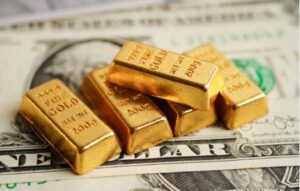
Our analysis has proven prescient. As of late December 2025, gold has climbed above $4,330 per ounce and silver around $65–$67 per ounce, reflecting continued strength and broadening investor interest in safe‑haven and industrial metals. We believe this rally is far from over, and the upward trend in both precious metals is likely to continue as global uncertainty and tightening liquidity support safe-haven demand. Today’s elevated levels highlight how the earlier consolidation was not a sign of faltering momentum but rather a structural reset, creating opportunities for traders and investors alike.
How a Yen Carry Trade Unwind Can Trigger a Liquidity Crisis
Beginner Explainer: What Is a Liquidity Crisis?
A liquidity crisis occurs when markets suddenly lack enough buyers to absorb selling pressure. Even high-quality assets can fall sharply because investors need cash quickly.
In the case of the yen carry trade, investors often use leverage. When the trade moves against them, they may be forced to sell assets rapidly — not because the assets are bad, but because funding conditions have changed.
This can create a domino effect:
- Asset prices fall faster than expected
- Volatility spikes across markets
- Credit conditions tighten
- Safe-haven demand rises
Liquidity crises are less about fundamentals and more about speed, leverage, and forced selling.
What to Watch in the Days and Weeks Ahead
- USD/JPY Price Action:
A sustained yen strengthening could signal accelerating carry trade unwinds. - Japanese Government Bond Yields:
Rapid moves higher may increase pressure on global bond markets. - U.S. Treasury Auctions:
Weak demand or rising yields could indicate declining foreign participation. - Credit Spreads:
Widening spreads often precede broader liquidity stress. - Gold and Silver Relative Strength:
Outperformance versus equities may signal rising risk aversion. - Equity Volatility (VIX):
Sustained spikes often accompany funding stress and deleveraging events.
Liquidity-driven moves tend to happen quickly and often before headlines catch up. Monitoring funding conditions can provide early warning signals.
About the Author
 Tom Rooney is a writer, author, and former trading educator. He publishes longform market commentary and analysis exploring macro trends, investor psychology, and the dynamics shaping global financial markets. Learn more about him at his official website.